The Federal Reserve’s Hawkish Pause: An Economic Paradox
Surprising Decision. Uncertain Motives.
The Federal Reserve’s decision on July 14 to pause rather than raise rates, a move dubbed a ‘hawkish pause,’ has left many market observers surprised and questioning the underlying intentions of the central bank.

Shifting Sentiment and Inflation Data
Initially, there was a broad market consensus expecting a rate hike at the June Fed meeting.
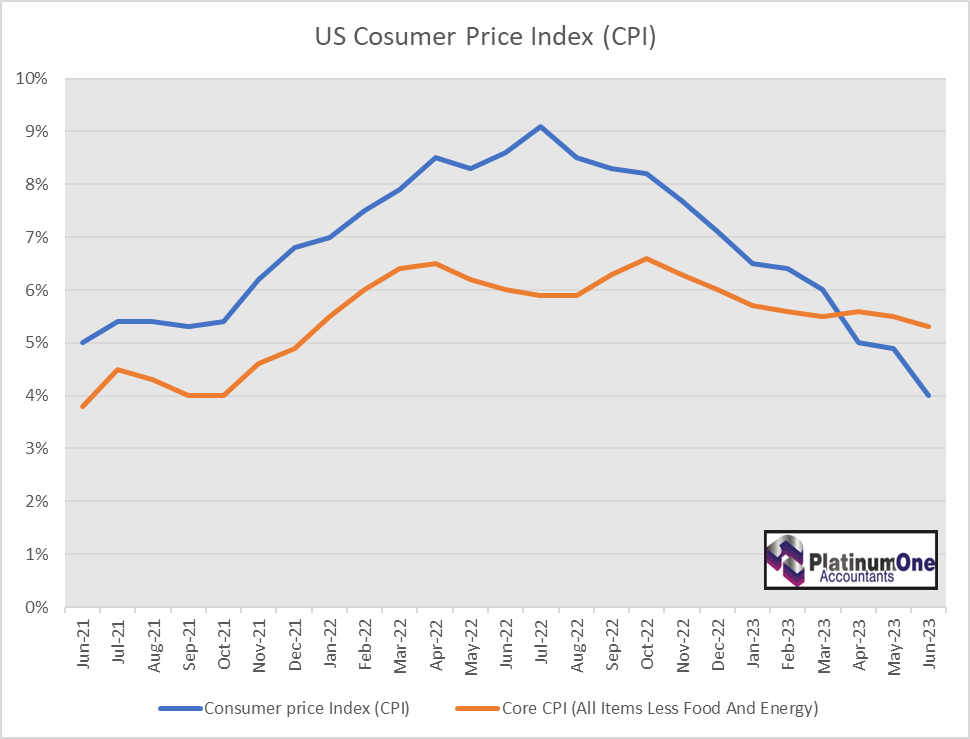
Still, recent shifts in sentiment and inflation data led to this unexpected pause. Despite the Fed’s admission that inflation remains a major concern, with risks skewed towards higher inflation, they opted to halt rate increases.
Labor Market Challenges and Falling Real Wages
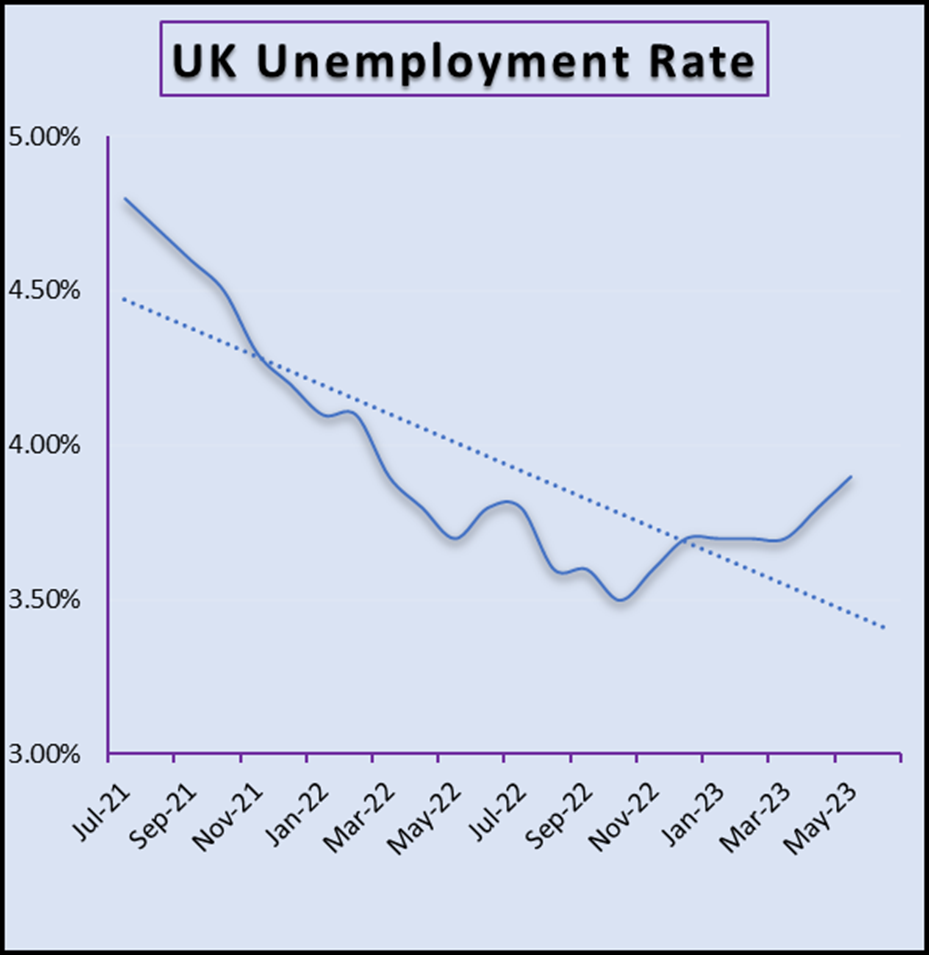
The Fed boasts about the strongest labor market in 50 years, but real wages in the labor market are falling, negating this claim of strength.
If the labor market were truly robust, wage increases should be aligned with the inflation rate.

Revised GDP Growth Estimates and Rate-Hiking Cycle
The central bank also revised its GDP growth estimates upwards, indicating an expectation of a stronger economy and, ironically, more inflation.
The pause in rate hikes could be signaling more than a temporary halt—it might mark the end of the rate-hiking cycle altogether. This is despite the Fed’s denials of considering rate cuts, which seems contradictory.
Factors Impacting Financial Sector and Commercial Real Estate
Several underlying issues in the economy, particularly in the financial sector and commercial real estate, could explain the Federal Reserve’s reluctance to increase rates.
The narrative of softening in the labor market and slower economic growth to lower inflation reflects a Keynesian perspective, but these factors do not necessarily lead to inflation. Rather, they often exacerbate the upward pressure on prices caused by an increase in the money supply.
Unanswered Questions and Political Influences
The Federal Reserve’s actions and statements leave more questions than answers about their actual intentions.
It’s plausible they’re concerned about other economic issues and are hesitant to aggravate problems in the banking sector and banks. Regardless, current economic issues are likely to escalate, and the Fed’s pause might imply the end of the rate-hiking cycle.
Potential Impact of Election Season
As we approach the election season, the Federal Reserve’s decisions are bound to become more politically influenced.
The recent inflation numbers, though better than expected, along with weak labor market data, reveal cracks in the economy. These issues, along with potential problems in the banking sector and commercial real estate sectors, could force the Federal Reserve into a position of cutting rates instead of raising them.
Only time will reveal the outcome and the true meaning behind this ‘hawkish pause.’